Is It Safer to Gamble with Stablecoins Than Bitcoin?

- Primary Signal: Is It Safer to Gamble with Stablecoins Than Bitcoin?
- Overview: Stablecoins remove Bitcoin's price volatility from your gambling bankroll, so a win stays a win. But they add their own risks: issuer trust, depegging events, and frozen funds....
- Verification: Analyzed and compiled by RocketCoin Casino editorial monitoring desk.
The Short Answer
Yes, stablecoins are safer than Bitcoin for gambling in one specific way: they eliminate price volatility, so the 500 USDT you win today is still worth 500 dollars tomorrow, while a Bitcoin win can lose 10 percent overnight. That stability makes bankroll management dramatically simpler. But stablecoins introduce different risks, including issuer solvency, depeg events, and the possibility of frozen funds, so safer does not mean risk-free. For most players, stablecoins are the more practical casino currency.
The Volatility Problem With Bitcoin Gambling
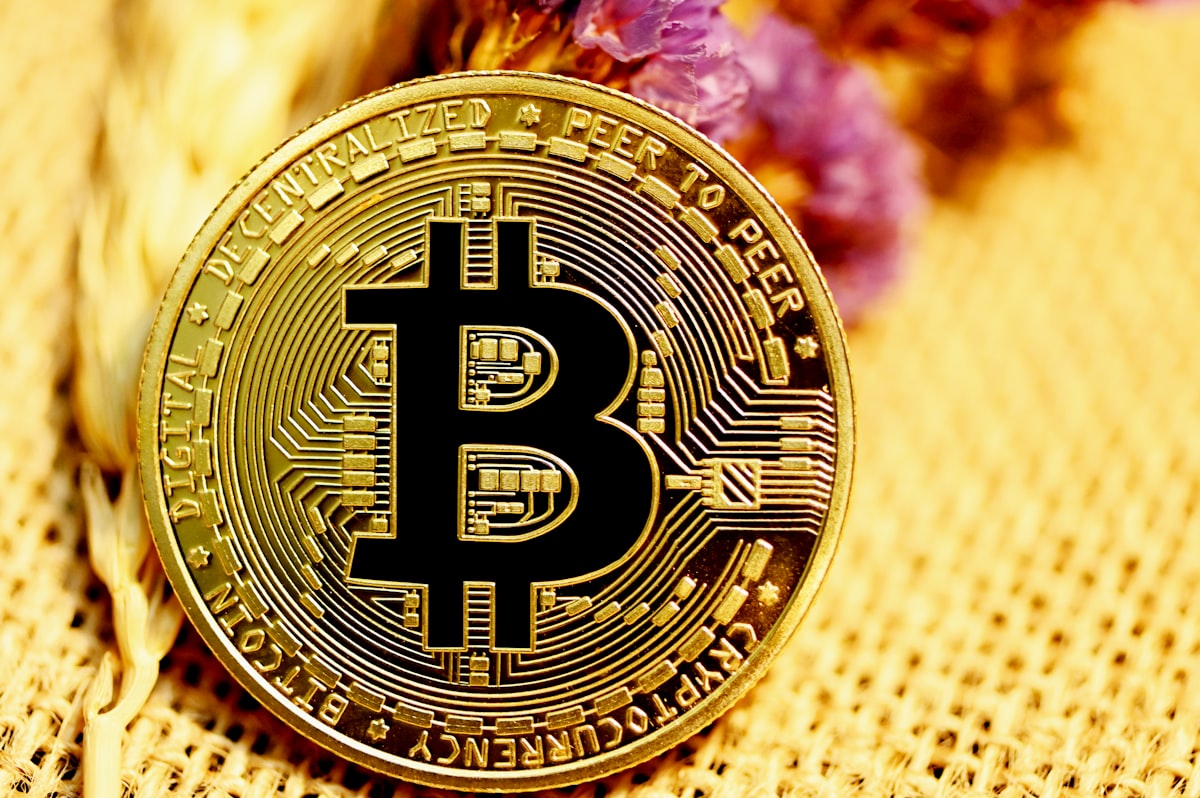
When you gamble in Bitcoin, you are effectively making two bets: one on the casino game and one on Bitcoin's price. A winning session can turn into a losing one if BTC drops 8 percent before you withdraw, and casinos price their games in fiat equivalents anyway, converting at deposit and withdrawal. This double exposure confuses results tracking and bankroll discipline. Stablecoins strip the currency bet away, letting you evaluate your gambling results honestly.
The Risks Stablecoins Bring
Stablecoins are only as safe as their issuers. USDT and USDC depend on the reserves and honesty of Tether and Circle, and both have faced scrutiny over backing claims. Depeg events, where a stablecoin temporarily trades below a dollar, have hit even major coins during market panics. Centralized stablecoins can also freeze funds at specific addresses on demand, a power Bitcoin deliberately lacks. Algorithmic stablecoins carry even higher risk, as spectacular collapses have shown.
Practical Play: Which to Choose
Use stablecoins for your active gambling bankroll to keep wins, losses, and bonuses denominated in stable dollars, which makes bonus wagering math and stop-loss discipline straightforward. Keep long-term holdings in Bitcoin or cold storage, separate from casino balances. Check which stablecoins your casino accepts and on which networks, since USDT on Tron has tiny fees while USDT on Ethereum can cost dollars per transfer. Match the stablecoin and network to minimize friction.
Frequently Asked Questions
Can a stablecoin lose its peg while I play? It is rare for major stablecoins but has happened during extreme market stress, so avoid obscure algorithmic coins for gambling balances. Do casinos treat stablecoin deposits differently? Most credit them 1:1 with dollars for bonuses and wagering, which actually simplifies bonus terms compared to Bitcoin's fluctuating value. Can my stablecoins be frozen in a casino? The casino cannot freeze them, but the issuer can blacklist addresses in extreme cases, another reason to prefer reputable, well-audited stablecoins.
More from RocketCoin Casino